
Fixed ladders are essential access systems found on industrial buildings, warehouses, factories and commercial premises throughout Birmingham. They provide permanent access to rooftops, maintenance platforms, plant rooms and elevated working areas. However, exposure to weather, frequent use and gradual deterioration can affect their structural condition. This makes regular inspections essential for workplace safety.
How often should fixed ladders be inspected in Birmingham? There is no single legally prescribed inspection interval that applies to every fixed ladder. Inspection frequency depends on factors such as usage, environmental exposure, manufacturer recommendations and the findings of a suitable risk assessment. Annual professional inspections are a common starting point for many permanent access systems, although higher-risk installations may require more frequent assessments.
Understanding the importance of inspections helps building owners and facilities managers maintain safe access arrangements while meeting their health and safety responsibilities.
Understanding Fixed Ladder Inspection Requirements in Birmingham
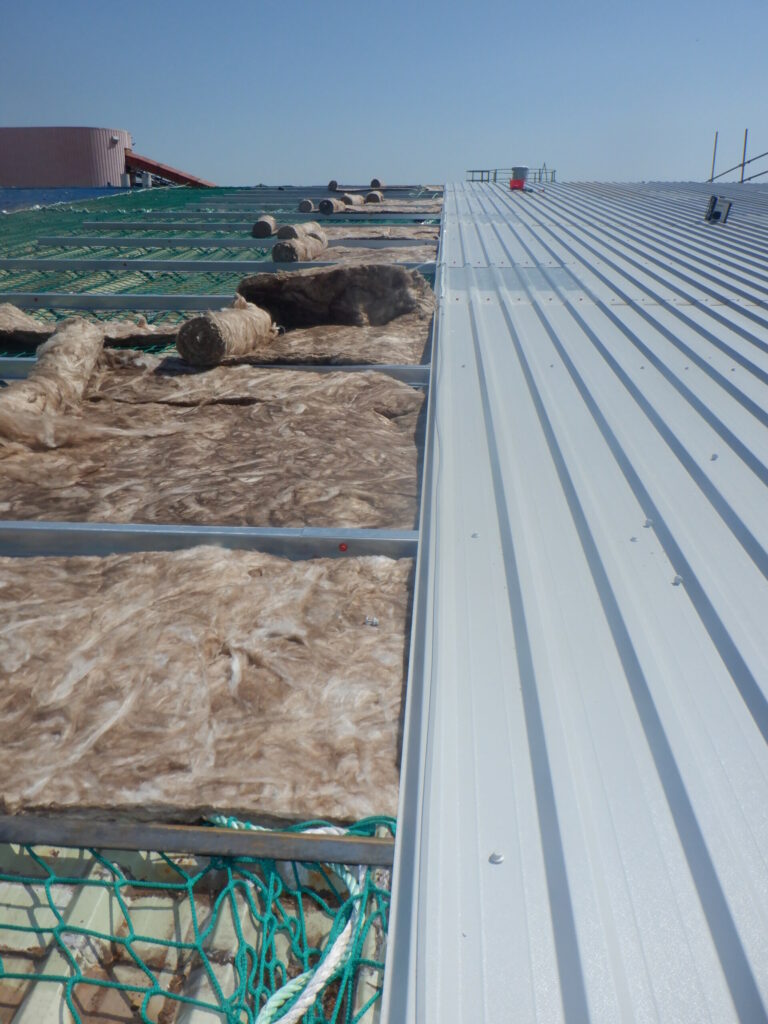
Fixed ladders are permanently attached to buildings or structures, unlike portable ladders. They are commonly manufactured from steel, aluminium or other durable materials designed to withstand regular use and environmental exposure.
Despite their robust construction, fixed ladders can develop faults over time. Corroded components, weakened connections and damaged rungs may compromise the stability of the entire access system.
The UK’s Work at Height Regulations 2005 require employers and those responsible for work at height to ensure that suitable equipment is properly maintained and inspected where necessary.
These regulations do not establish a universal six-monthly or annual inspection requirement specifically for every fixed ladder. Instead, inspections must take place at appropriate intervals based on the equipment’s condition, use and associated risks.
Professional fixed ladder inspection services in Birmingham help property owners evaluate ladder condition and identify potential safety concerns before equipment becomes hazardous.
How Frequently Should Fixed Ladders Be Inspected?
For many commercial properties, arranging a formal fixed ladder inspection at least once every twelve months provides a practical maintenance benchmark. However, an annual inspection should not automatically be considered sufficient for every installation.
Ladders exposed to harsh weather, corrosive environments, heavy industrial activity or frequent access may need shorter inspection intervals.
Manufacturers may also specify particular examination and maintenance requirements. These recommendations should be considered alongside the building’s risk assessment and relevant technical standards.
Visual checks before use remain important, regardless of when the most recent formal inspection occurred. Any evidence of instability, corrosion or damaged components should be reported immediately.
A competent person should determine whether additional inspections are necessary following significant weather events, accidental impacts or building alterations.
This risk-based approach provides more meaningful protection than relying exclusively on a fixed calendar date.
Why Regular Fixed Ladder Inspections Are Important
Fixed ladders often remain installed for many years, making gradual deterioration difficult to notice during everyday operations. A ladder may appear stable while hidden corrosion affects its mounting brackets or structural connections.
Regular inspections help identify these defects before they create dangerous working conditions.
For industrial businesses, reliable ladder access is particularly important because maintenance contractors frequently depend on permanent access systems to reach roofs and elevated equipment.
An unsafe ladder can delay essential roofing repairs, inspections and servicing activities. More importantly, structural failure or loss of stability can expose workers to serious fall risks.
Routine inspections also help building managers plan repairs and replacements more effectively. Addressing a weakened fixing or damaged rung early may prevent more extensive deterioration and unexpected access restrictions.
What Do Professional Fixed Ladder Inspections Cover?
A professional fixed ladder inspection considers the condition of the entire access system rather than examining individual rungs alone.
Inspectors assess the ladder’s structural integrity, attachment points, supporting framework and visible signs of deterioration. Particular attention is given to corrosion, loose connections, damaged welds and deformation.
Mounting brackets and anchor points are especially important because they transfer loads from the ladder into the supporting structure. Problems in these areas can compromise stability even when the ladder itself appears undamaged.
Where installed, safety cages, guardrails, landing platforms and associated fall protection equipment may also require assessment.
Professional inspections should consider applicable standards, manufacturer information and the intended use of the installation.
Following the examination, an inspection report can document identified defects, recommendations and any restrictions necessary to prevent unsafe use.
How Birmingham’s Weather Affects Fixed Ladder Safety
Outdoor fixed ladders are continuously exposed to changing weather conditions. Birmingham experiences regular rainfall, damp winter weather and occasional freezing temperatures that can influence the condition of external metal structures.
Moisture can contribute to corrosion, particularly around welded joints, fixings and damaged protective coatings.
Repeated temperature changes may also expose weaknesses in already deteriorating materials or connections.
Industrial sites containing airborne contaminants or corrosive substances can present additional challenges. Environmental exposure may affect protective finishes and accelerate deterioration in vulnerable components.
These conditions explain why external ladders often require closer attention than installations located within controlled indoor environments.
Regular inspections help identify weather-related deterioration and support appropriate maintenance before structural performance is affected.
Signs That a Fixed Ladder Needs Immediate Inspection
Although planned inspections are important, certain defects require attention without waiting for the next scheduled examination.
Visible rust, loose bolts, bent rungs and damaged mounting brackets can indicate deterioration that affects safe use.
Movement during climbing, unusual noises from connections or visible separation between the ladder and supporting structure may also suggest potential instability.
Damage to safety cages, access gates or landing areas should be assessed because these components contribute to the overall safety of the access system.
When significant defects are discovered, the ladder should be taken out of service until a competent person has assessed its condition and authorised appropriate corrective action.
Building managers should ensure that users can report suspected defects and that unsafe access points are effectively restricted.
UK Health and Safety Regulations for Fixed Ladders
Fixed ladder safety falls within the wider responsibilities established by UK workplace health and safety legislation.
The Work at Height Regulations 2005 require work at height to be properly planned, supervised where appropriate and carried out using suitable equipment.
The Provision and Use of Work Equipment Regulations 1998 may also apply to fixed ladders used as workplace equipment. These regulations address suitability, maintenance and inspection requirements.
The Health and Safety Executive emphasises the importance of inspecting work equipment at suitable intervals and after events that could affect its safety.
Consequently, employers should not assume that an annual inspection alone establishes legal compliance. The adequacy of inspection arrangements depends on the specific equipment, installation and risk assessment.
Maintaining appropriate inspection records also supports accountability and helps demonstrate that identified safety concerns have been addressed.
The Benefits of Professional Fixed Ladder Inspection Services
Professional inspections provide building owners with an informed assessment of their permanent access arrangements.
Competent inspectors can recognise deterioration that may be overlooked during routine visual checks, particularly around fixings, structural connections and supporting surfaces.
Documented findings help facilities managers understand which repairs require immediate attention and which maintenance activities can be scheduled.
Regular assessments can also support the long-term performance of fixed ladders and Katt ladder systems by identifying developing faults before extensive replacement becomes necessary.
For businesses managing several buildings, consistent inspection records make it easier to monitor equipment condition across different locations.
Ultimately, professional inspections contribute to safer access, more effective maintenance planning and reduced disruption to essential building operations.
Fixed Ladder Inspection Services in Birmingham
Industrial and commercial properties require reliable access systems for ongoing maintenance, roof inspections and equipment servicing. Ensuring these systems remain safe requires appropriate professional attention.
Industrial Roofing Birmingham provides fixed ladder inspections and safety system services for commercial and industrial premises.
Its inspection services examine concerns such as corrosion, loose or missing bolts, damaged rungs and structural misalignment. The company also provides inspection findings and recommendations for necessary maintenance or improvements.
Building owners can incorporate these services into broader safety system annual testing arrangements to support the ongoing management of rooftop access equipment.
Professional support helps businesses make informed decisions about maintenance, repair requirements and the continued suitability of their fixed ladder installations.
Conclusion
Understanding how often fixed ladders should be inspected in Birmingham is essential for maintaining safe access to industrial and commercial buildings. While annual professional inspections are a useful benchmark for many installations, the appropriate frequency depends on usage, environmental conditions, equipment condition and risk assessment findings.
Regular examinations help identify corrosion, damaged components and weakened connections before they create serious safety risks. Combined with pre-use checks and timely maintenance, professional inspections contribute to reliable access systems and safer workplaces.
For expert assessment and dependable access safety solutions, contact Industrial Roofing Birmingham to discuss your fixed ladder inspection requirements and arrange a professional quotation.
